Nutritional Support
Daily nutrient planning around vitamins, minerals, amino acids and functional food ingredients.
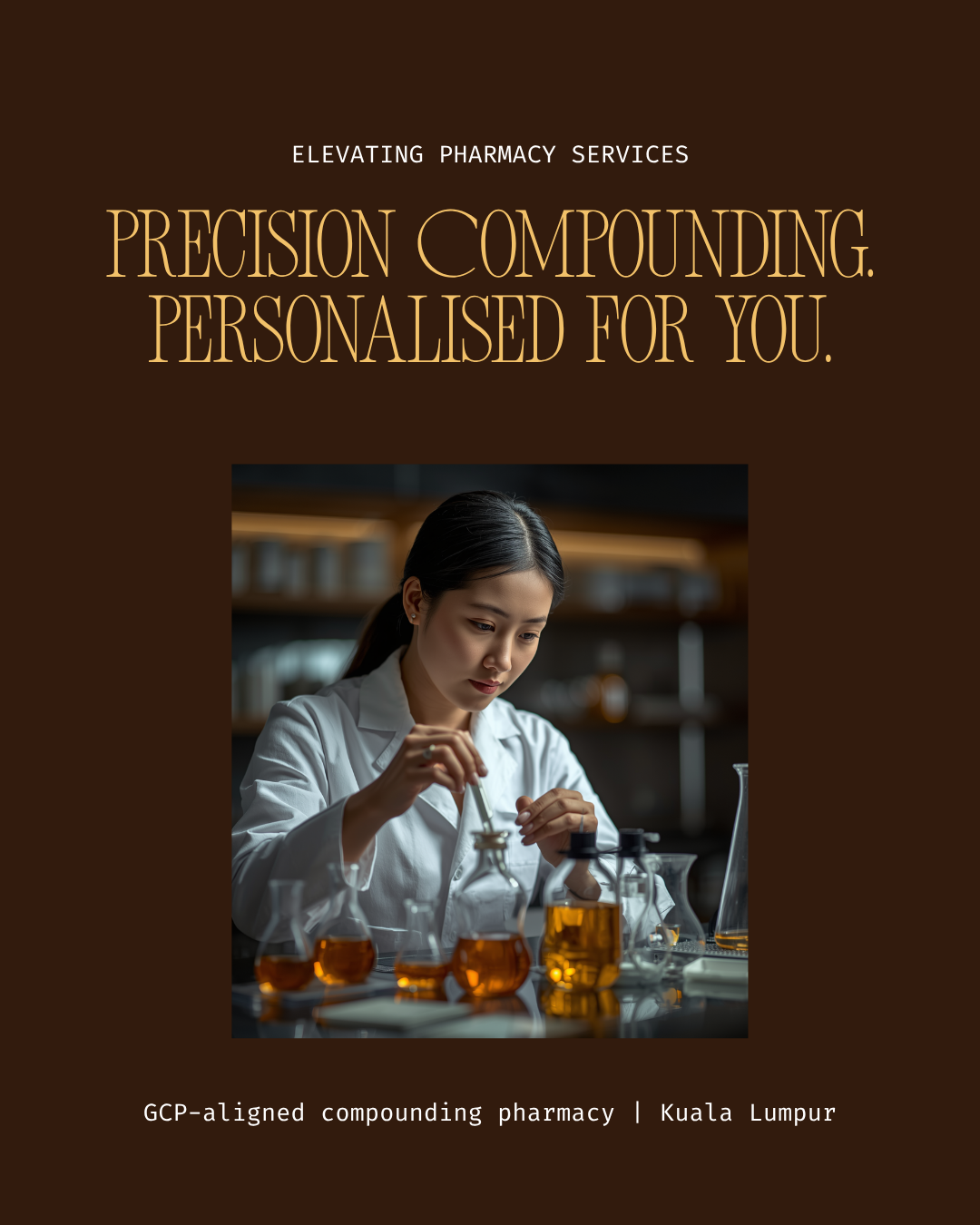
Supplement customisation in Kuala Lumpur
Lynnity Pharma blends quality-controlled ingredients, nutritional compounding experience and advanced liposomal and herbosomal delivery into personalised wellness formulations.
Lynnity Pharma Innovation
The revamped experience leads with formulation confidence: a premium video module, clear proof points and careful wording that supports supplement discovery without overclaiming.
Custom Wellness Pathways
Each pathway is designed as a conversation starter for pharmacist-guided supplement customisation. The final formula depends on goals, tolerance, ingredient suitability and professional review.
Daily nutrient planning around vitamins, minerals, amino acids and functional food ingredients.
Personalised prebiotic, fibre, enzyme and botanical options for digestive wellness goals.
Evening wellness support using carefully selected calming botanicals and nutrient cofactors.
Beauty-from-within formula planning for collagen, antioxidants and botanical actives.
Goal-led support for hydration, amino acids, recovery nutrition and active lifestyles.
Phospholipid-based delivery for selected vitamins, minerals, amino acids and antioxidants.
Phospholipid-bound botanical actives for selected herbal wellness formulations.
Age, lifestyle and goal-aware supplement planning for everyday vitality support.
Nutrition-led support for balanced routines, satiety, movement and lifestyle goals.
How Customisation Works
Start with wellness priorities, daily routine, ingredient preferences and product format needs.
A Lynnity team member reviews suitable vitamins, minerals, amino acids and botanical options.
Where useful, liposomal or herbosomal formats are considered for selected active ingredients.
Formulations are prepared with documented checks, controlled handling and clear usage guidance.
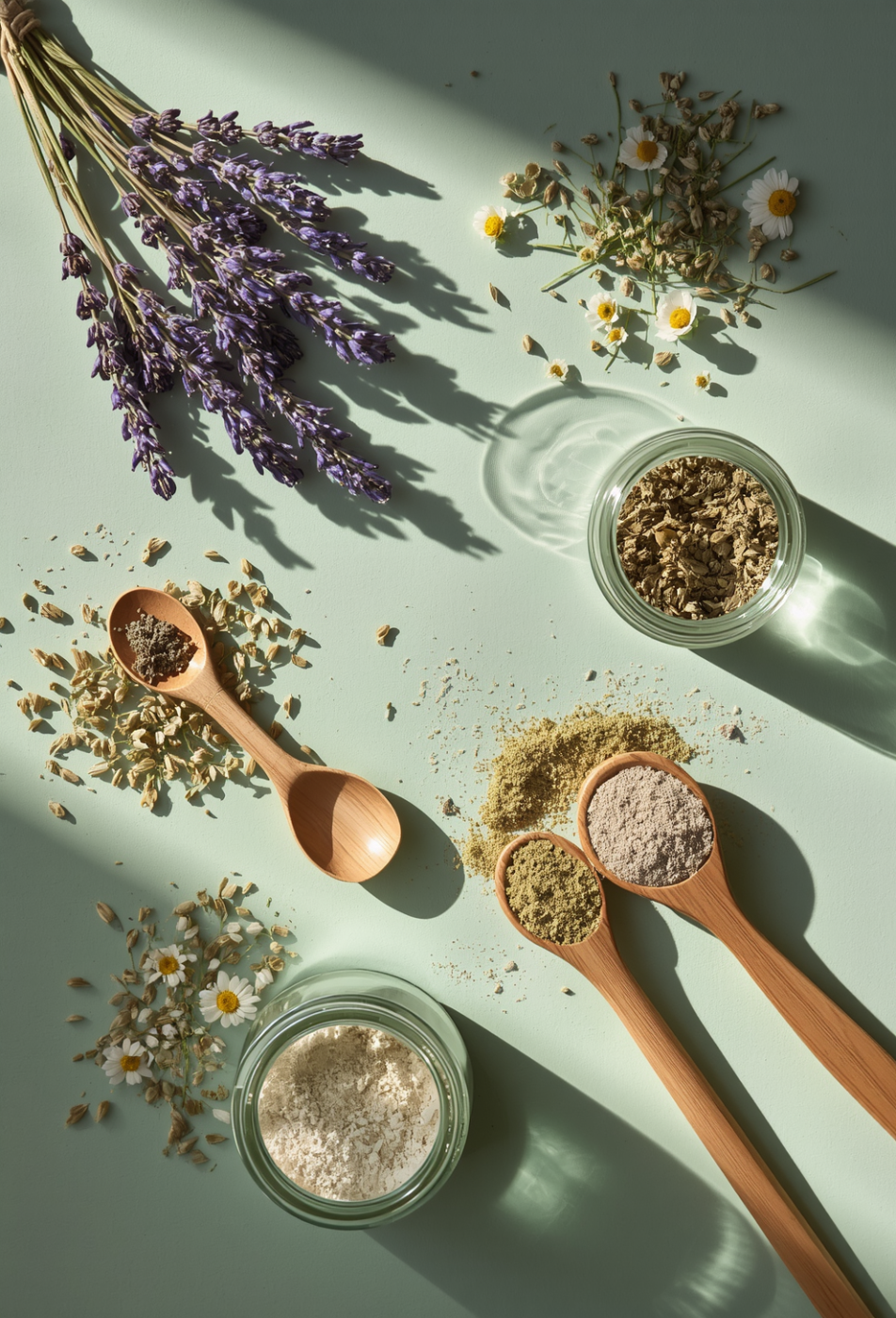
Ingredient and Formula Library
Lynnity's library includes vitamin, mineral, amino acid, botanical, protein, fibre and functional ingredient categories. The new page converts that depth into answer-friendly clusters instead of overwhelming ingredient lists.
Liposomal and Herbosomal Technology
Answer engines need clean distinctions. This page explains each technology in direct language while keeping claims measured and supplement-first.

Liposomal formulations wrap selected actives in phospholipid vesicles. They are suited to nutrients such as vitamin C, B-complex, glutathione, CoQ10, curcumin and collagen peptide.
Herbosomal formulations bind selected botanical actives to phospholipids. They are suited to herbal wellness blends where delivery and stability matter.
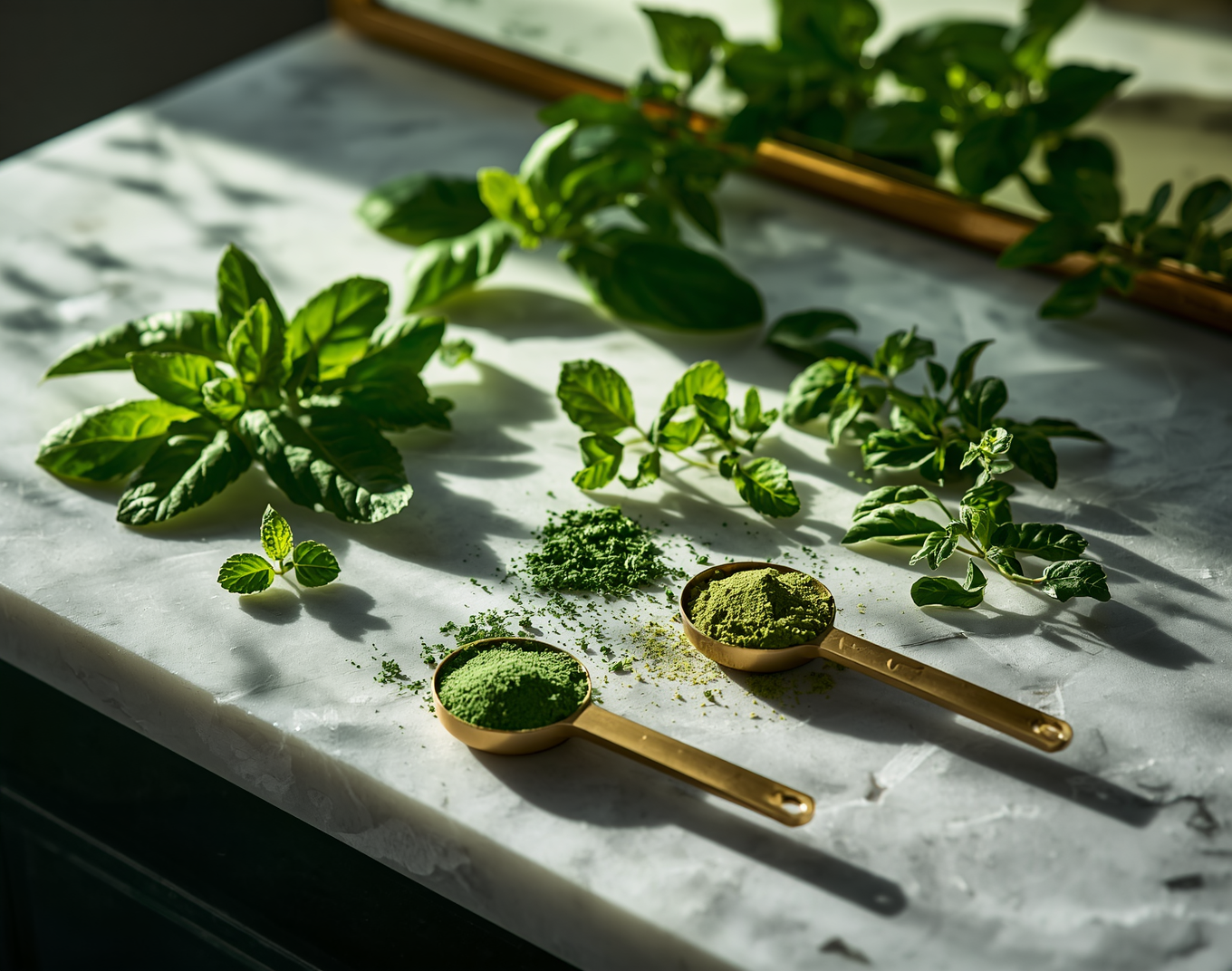
Standards We Work To
The standards section is concise, source-aligned and easy for both people and answer engines to quote.
Poisons Act 1952 (Malaysia) - primary legal framework for compounding.
Good Compounding Practice (GCP) 2018, Pharmaceutical Services Programme, Ministry of Health Malaysia.
USP <795> - non-sterile compounding standards.
Raw materials sourced from JAKIM HALAL and FDA-registered international suppliers, screened against USP / BP / JP pharmacopoeia specifications.
GCP Lab and Quality Workflow
The revised homepage makes the laboratory story easier to scan: who oversees the work, how raw materials are checked, and how formulation quality is maintained.

Team

Registered Pharmacist, BPharm Hons (UOC), RPh 15632. Compounding and Integrative Medicine.

Pharmaceutical Compounding Supervisor, BSc (Hons) Biotechnology (INTI). Liposomal and herbosomal advanced delivery systems.

Head of Quality and Compliance, Lead Compounding Auditor and Inspector, BSc (Hons) Biomolecular Science (UiTM).

Compounding Support Specialist, BSc (Hons) Applied Chemistry (IIUM). Pharmaceutical compounding and quality assurance support.

Facility and Instrumentation Technician, Diploma of Medical Science (UniMAIWP). Laboratory equipment and compounding support.
Reviews and Product Context
The site now frames retail products as part of a broader custom wellness ecosystem: liposomal nutrients, herbosomal blends, botanical drinks and essential oil context, with clear guidance to contact Lynnity for personalised support.
"The personalised approach makes it easier to understand what fits my wellness goals."
Lynnity customer perspective
"The liposomal and botanical range feels more considered than a standard supplement aisle."
Lynnity customer perspective
FAQ
A customised supplement is planned around a person's goals, routine, preferences and suitability factors instead of using a one-size-fits-all formula.
The page is designed to start a consultation. Contact Lynnity directly for current availability, suitability review and ordering guidance.
Liposomal nutrients use phospholipid vesicles to carry selected active ingredients such as vitamins, amino acids or antioxidants.
Herbosomal nutrients use phospholipid-bound botanical actives for selected herbal wellness formulations.
The revised standards section states that raw materials are sourced from JAKIM HALAL and FDA-registered international suppliers and screened against pharmacopoeia specifications.
Call or WhatsApp +60 12-661 8987, email info@lynnitypharma.com, or visit the Kuala Lumpur location Monday to Friday from 8:30 AM to 6:00 PM.
Contact
Use one clear contact route for the whole site, with the main Lynnity phone, email, address and opening hours.